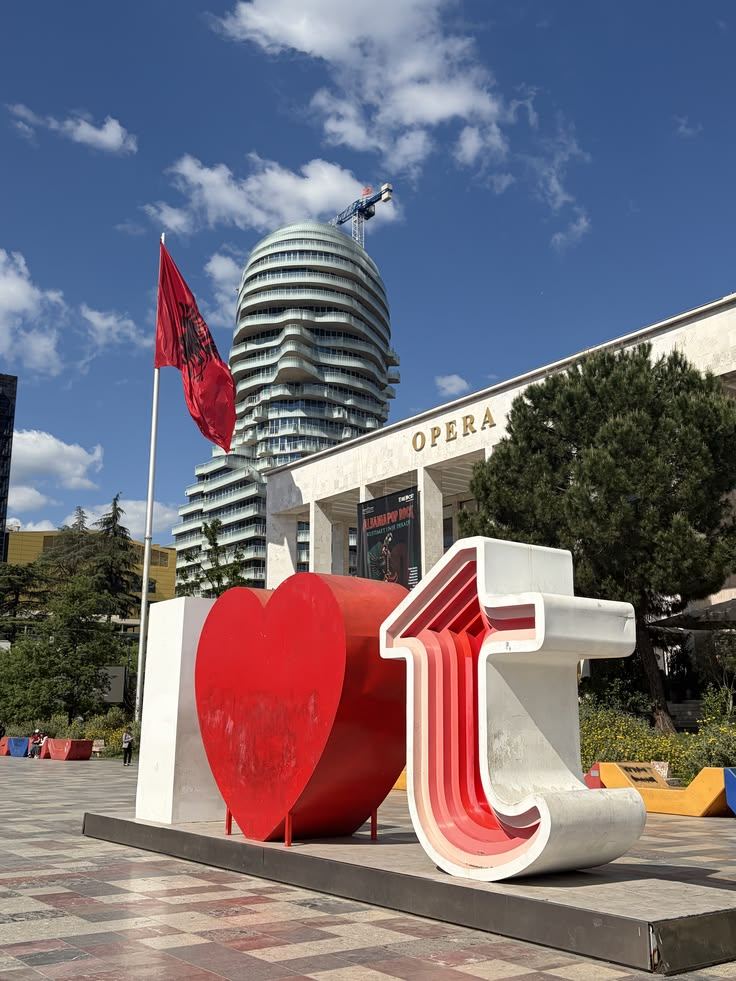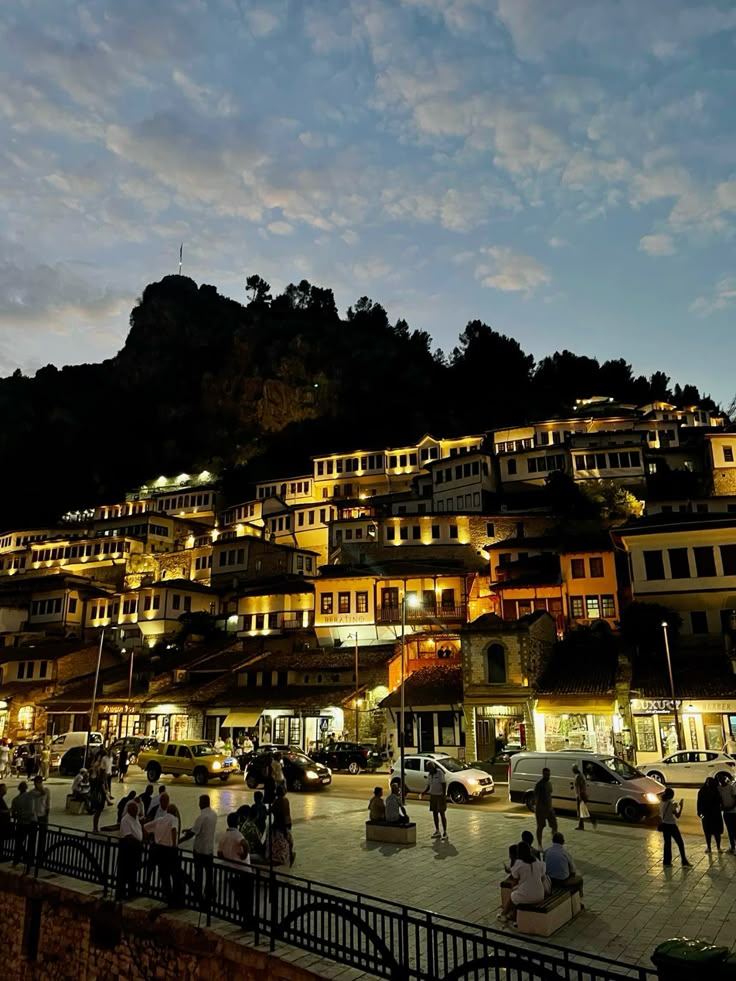
Lushnjë’s central Bashkia Square and surrounding city buildings
  1. Destinations
  2. Lushnjë
Lushnjë, Central-west Albania
1–2 days

Lushnjë

Lushnjë offers a quieter Albania shaped by the decisive Congress of 1920, the productive Myzeqe plain, market life, family cooking and nearby Ardenica Monastery.

Best timeMar–Jun · Sep–Nov
LandscapeMyzeqe plain
RegionCentral-west Albania
Best timeMar–Jun · Sep–Nov
Ideal stay1–2 days
LandscapeMyzeqe plain

Three reasons to stop in Lushnjë

Begin with the political moment that helped secure the Albanian state, understand the city through its agricultural plain and everyday food, then climb to Ardenica for art, history and long rural views.

Aerial view of the Congress of Lushnjë Museum

The congress that strengthened the Albanian state

In January 1920, delegates met in Lushnjë at a decisive moment for Albania’s territorial integrity and political independence. The Congress established new national institutions and moved the capital toward Tirana, giving this modest central city a permanent place in the story of the modern Albanian state.

The Congress Museum preserves the meeting house, period rooms, documents and objects that make the event understandable at human scale. Pair it with the local historical museum, civic monuments and a walk through the central square. The experience is compact, quiet and especially valuable for travellers following Albania’s twentieth-century history.

Everyday life on Albania’s agricultural plain

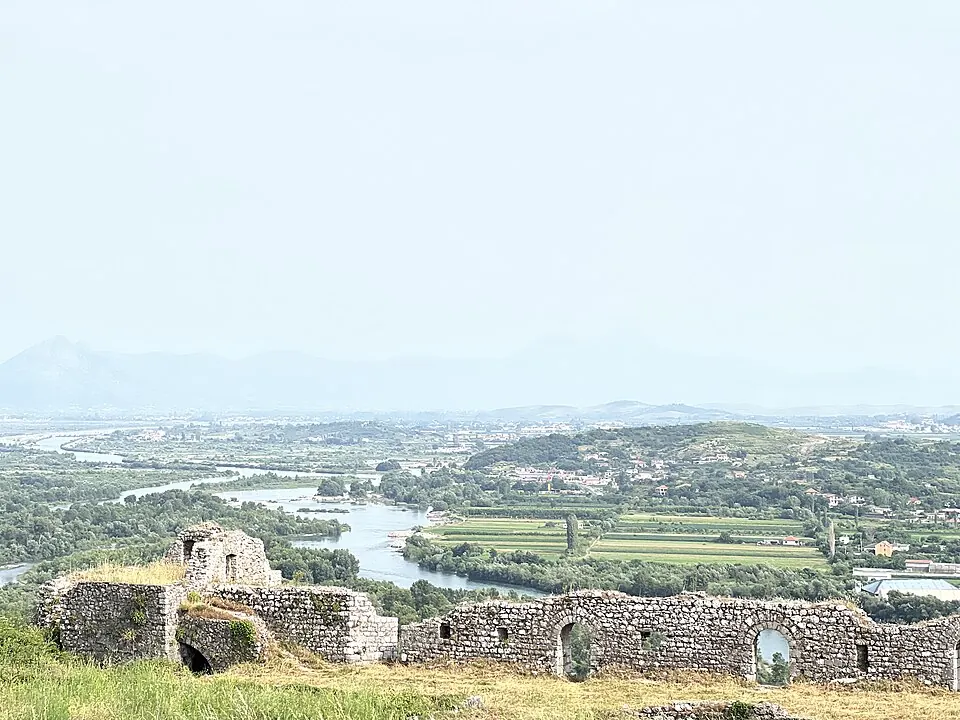
Lushnjë sits in the heart of Myzeqe, a broad lowland of fields, irrigation channels, orchards and farming communities. The city’s markets and service streets reflect this working landscape more honestly than a polished visitor district would, making Lushnjë a useful stop for understanding how central-western Albania produces, trades and eats.

Food is the most direct introduction: Myzeqe-style lakror, japrak and dollma, cornbread, butter, cheese and seasonal vegetables appear in homes, bakeries and rural restaurants. Seek out farm visits and agrotourism rather than rushing through; the region’s appeal lies in conversation, fresh ingredients and the unhurried scale of village life.

1920 Congress

A decisive chapter of modern Albania

The museum

The original meeting house and documents

Myzeqe table

Lakror, dairy and seasonal produce

Ardenica

Hilltop monastery and Orthodox art

Rural Albania

Farms, canals and authentic village life

Open civic square in the centre of Lushnjë
Stone exterior and courtyard of Ardenica Monastery

Ardenica above the fields

Ardenica Monastery rises on a wooded hill above the Myzeqe plain, its enclosed courtyards, church and monastic buildings creating a calm contrast with the open farmland below. The complex preserves important Orthodox art and is traditionally associated with the marriage of Skanderbeg and Donika Arianiti.

The terrace views help explain Lushnjë’s geography, stretching from agricultural lowlands toward the Adriatic. Combine Ardenica with Divjakë–Karavasta, Apollonia or a farm lunch for a complete regional day. A car or linked tour is useful because the best experiences sit across the municipality rather than in one walkable cluster.

Hot and drySummer
Mild and dampWinter

Ways to experience Lushnjë

Tours linked to this place are prioritised, with day tours shown first.

Linked tours will be available soon.

Lushnjë on the map

This place stays selected. Touch another destination or attraction to explore it.

Loading destinations…