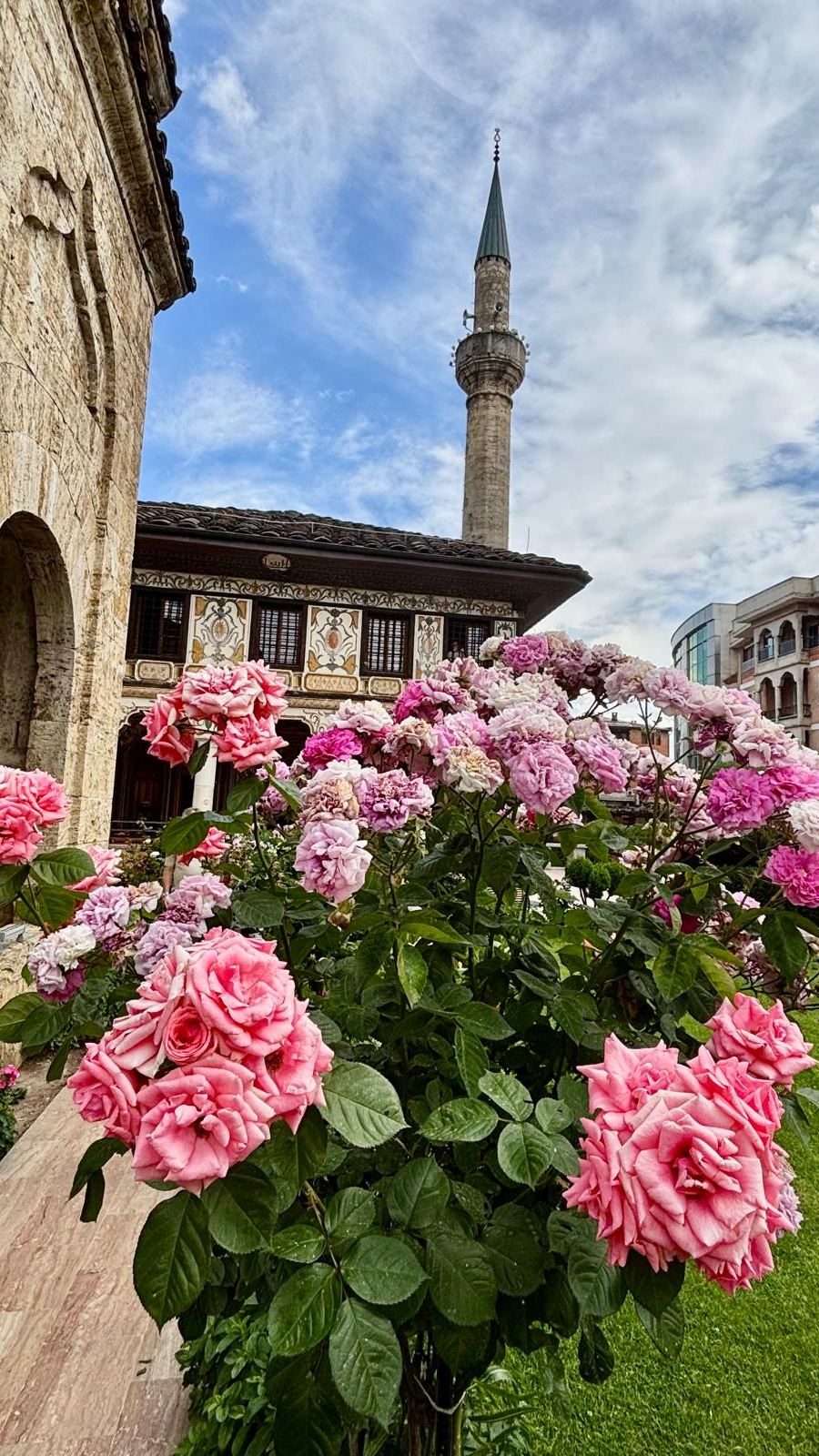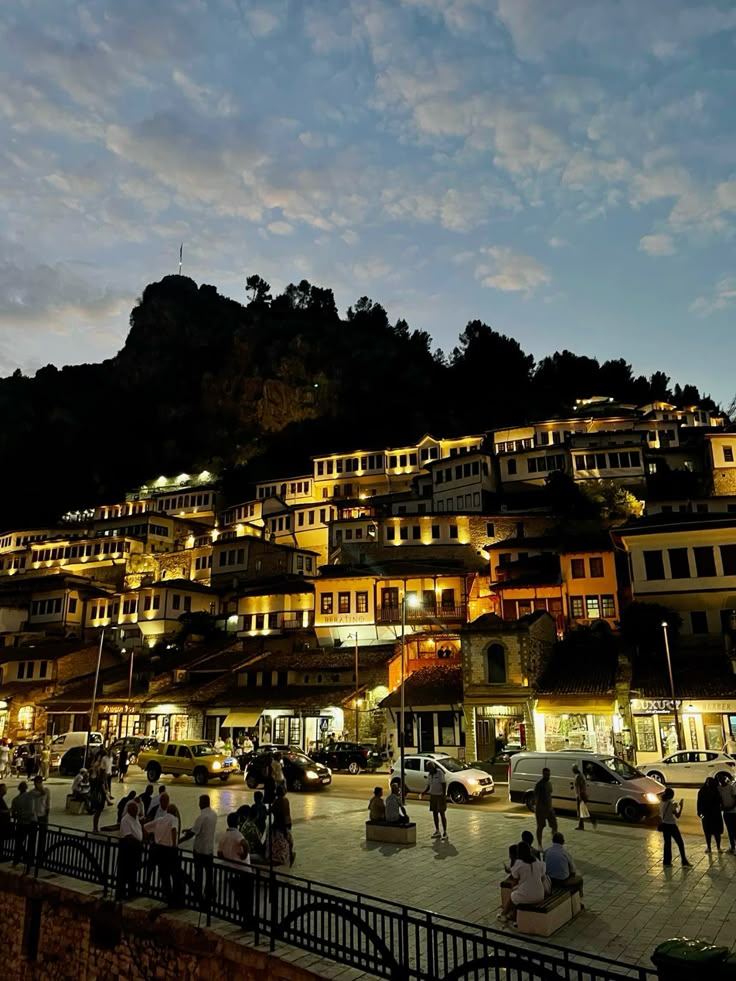
Stone-roofed old town of Gjirokastër climbing toward the castle
  1. Destinations
  2. Gjirokastër
Gjirokastër, Southern Albania
2–3 days

Gjirokastër

Gjirokastër climbs the slopes above the Drino Valley in silver-grey stone, joining fortified houses, a vast castle, artisan streets and southern Albanian food.

Best timeApr–Jun · Sep–Oct
RegionSouthern Albania
Best timeApr–Jun · Sep–Oct
Ideal stay2–3 days
HeritageUNESCO old town

Three layers of the Stone City

Look across the slate-roofed city, enter the defensive world of its tower houses, then climb to the fortress where the whole Drino Valley and Gjirokastër’s cultural memory come together.

Traditional stone houses and layered rooftops in Gjirokastër old town

A UNESCO city written in stone

Gjirokastër’s historic centre is recognised by UNESCO for an urban landscape shaped by steep cobbled streets, stone-roofed houses and a remarkably intact Ottoman-era character. From across the valley, the old quarters appear to grow from Mount Gjerë; inside them, every turn changes the relationship between roof, wall, mountain and sky.

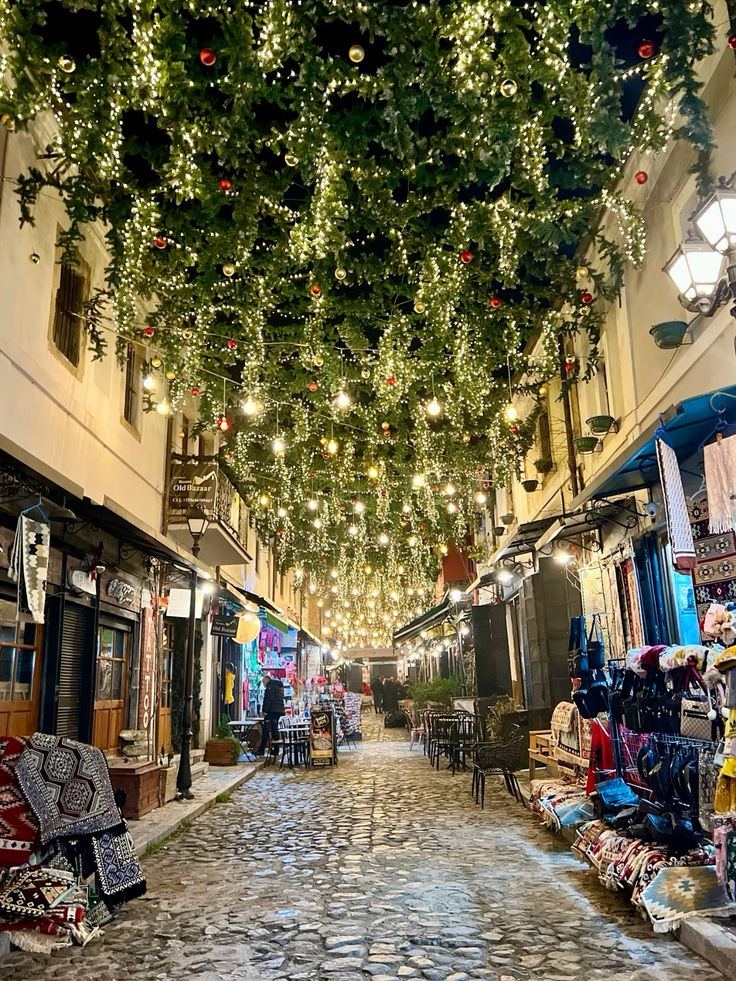
The Old Bazaar is the social and commercial heart, with restored façades, craft workshops and routes branching toward residential lanes. Explore early before day-trip traffic, wear shoes suited to polished stone, and pause at viewpoints between the bazaar and upper neighbourhoods rather than treating the climb only as a route to the castle.

Tower houses built for family and defence

The great houses of Gjirokastër combine domestic comfort with defensive architecture. Skënduli and Zekate houses reveal guest rooms, winter and summer spaces, carved ceilings, fireplaces, water systems and commanding views, explaining how prosperous extended families organised life behind high stone walls.

The Ethnographic Museum and Ismail Kadare House add different perspectives on clothing, household culture and literature. In the bazaar, look for locally worked stone, wood, textiles and metal rather than generic souvenirs. At the table, qifqi rice balls, pasha qofte, oshaf and slow-cooked dishes express the region just as clearly as its architecture.

The castle

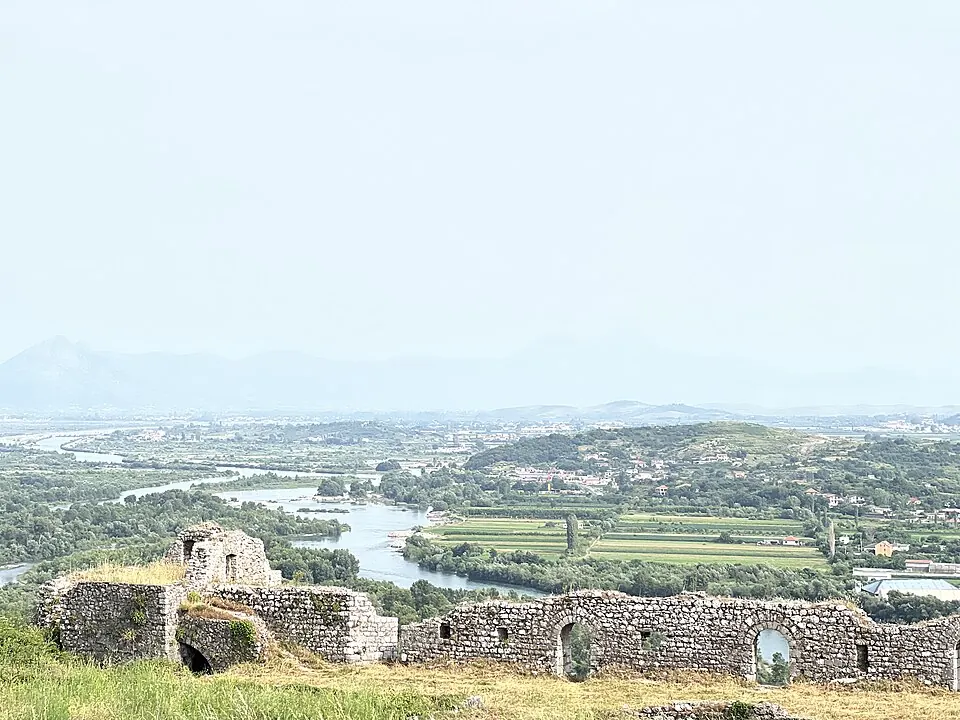
Fortress panoramas over the Drino Valley

Tower houses

Skënduli and Zekate family architecture

Old Bazaar

Cobbled lanes and artisan workshops

Folklore

Music and dance inside the fortress

Local table

Qifqi, oshaf and southern recipes

Close view of a characteristic stone-slab roof in Gjirokastër
Massive stone walls of Gjirokastër Castle above the city

The fortress above the Drino Valley

Gjirokastër Castle stretches along the ridge above the old town and commands the entire Drino Valley. Its passages contain the Arms Museum, former prison spaces, artillery and a Cold War-era aircraft, while the clock tower and open terraces deliver the clearest view of the city’s defensive geography.

The fortress also hosts the National Folklore Festival, linking military architecture to living music, dress and dance traditions. Beyond the city, Antigonea, Libohovë, the Kordhoca Bridge and rural food producers make the valley worth additional time. Two nights allow Gjirokastër to be experienced after the day crowds leave.

Hot and brightSummer
Cool and rainyWinter

Ways to experience Gjirokastër

Tours linked to this place are prioritised, with day tours shown first.

Gjirokastër on the map

This place stays selected. Touch another destination or attraction to explore it.

Loading destinations…