
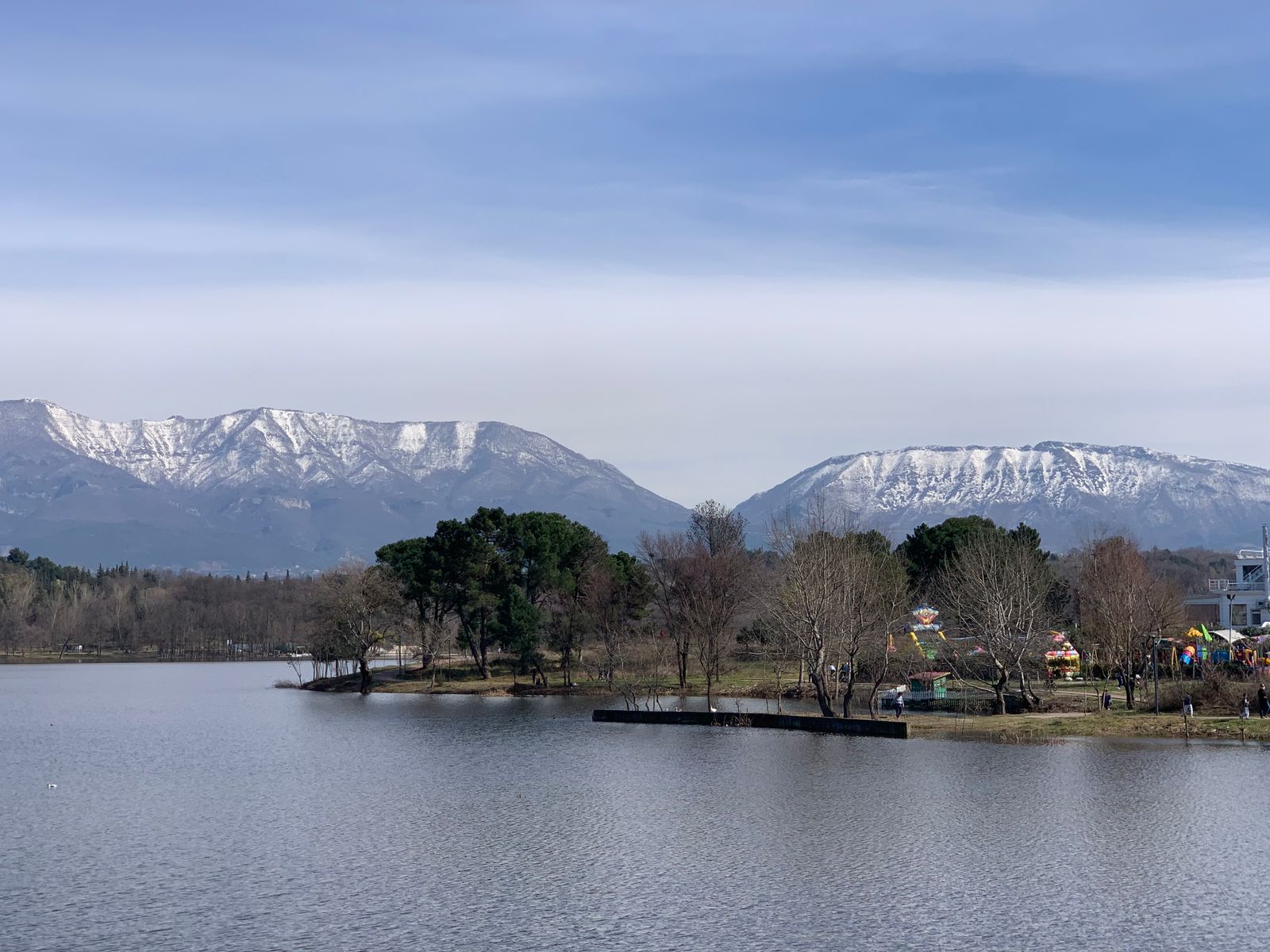
Winter is the season most guides skip, and that is partly fair: the beach summer is over and the high Alps are under snow. But Tirana and the old stone towns never close, prices and crowds drop, and the light on a clear December day is some of the year's best. This is the honest December to February picture (with a nod to late November): what still works, what to skip, and how to plan around rain, short days and mountain roads. For the season before, see Visiting Albania in autumn; for the whole year at a glance, see Best time to visit Albania.
Why go in winter, and who it suits
Winter Albania is a city-and-heritage trip. Tirana keeps its cafés, museums, bazaars and evening life running all year, and the festive season adds lights and a Christmas market to the centre. Berat, Gjirokastër, Shkodër and Korçë are lived-in towns rather than resorts, so they stay open for visitors who arrive with a coat and an appetite for long lunches. You trade sunshine and swimming for quiet lanes, local life and lower demand.
It suits city-break travellers, food and history lovers, couples who want Christmas or New Year somewhere less obvious, and anyone curious about a small dose of snow near Korçë. It is a poor fit if you want beach days, the Theth to Valbona crossing, the Lake Koman ferry, or a fixed mountain itinerary without weather buffers. Those belong to late spring through early autumn.
Winter weather by region
The coast is mild and wet, Tirana is similar with colder nights, and the eastern uplands are properly cold. The figures below are long-term averages from Climates to Travel (Tirana 1991-2020; Durrës and Korçë 2011-2020). Use them for packing and expectations, not as a forecast.
| Month | Coast (Durrës) | Tirana | Korçë (900 m) | Sea (Durrës) |
|---|---|---|---|---|
| December | About 6 to 15 °C; ~140 mm rain | About 3 to 14 °C; ~175 mm rain | About 0 to 7 °C | About 15-16 °C |
| January | About 4 to 13 °C; ~130 mm rain | About 2 to 12.5 °C; ~135 mm rain | About -2 to 5 °C | About 14-15 °C |
| February | About 6 to 15 °C; ~115 mm rain | About 3 to 14 °C; ~150 mm rain | About 1 to 9 °C | About 14 °C |
Rain is the main character on the coast and in Tirana, usually arriving in fronts with clear, crisp days between them. Shkodër and Gjirokastër are wetter still in December on the same tables. Cold snaps do happen: Climates to Travel notes record lows of around -9 to -10 °C even in Durrës when cold air pushes in from the north-east. Daylight is short, about nine hours in December rising to about eleven in February, so plan sightseeing for the morning and keep long drives out of the dark.
Cities, coast and mountains in winter
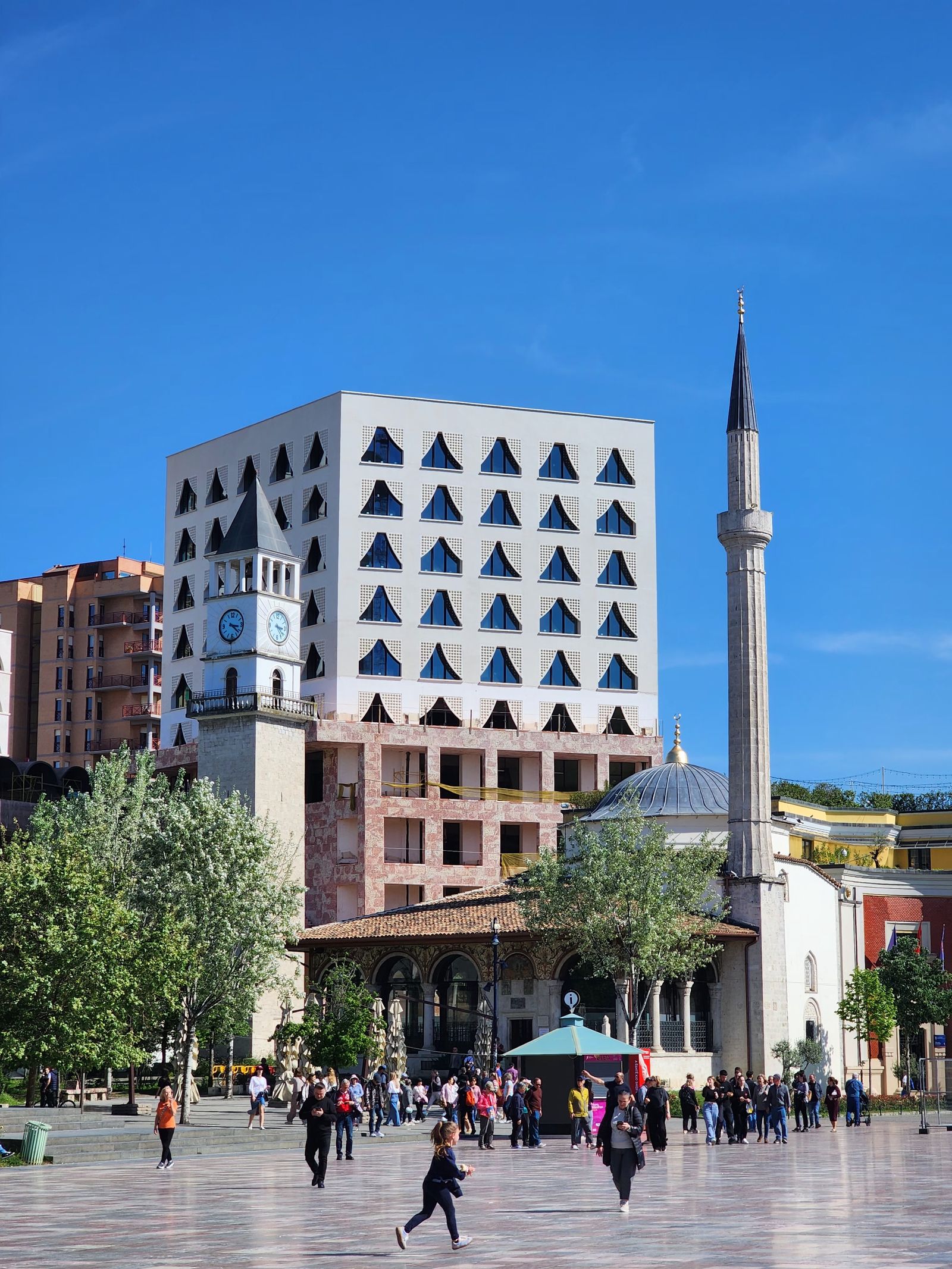
Cities are the backbone. Tirana works in any weather, with museums and cafés for wet days and the Dajti Ekspres cable car for clear ones (its published timetable shows daily operation except Tuesdays; cloud can hide the view, so pick a bright morning). Berat and Gjirokastër are quieter and more atmospheric off-season; stone houses and castle lanes can be cold and slippery after rain, so good soles matter more than in summer. Shkodër is a pleasant lake town in winter, but treat it as a destination, not as a gateway to the Alps.
The coast is off-season, not summer. Sea temperatures sit around 14-16 °C, many seasonal Riviera businesses close, and towns like Vlorë, Durrës and Sarandë revert to everyday life: seafood, promenades and empty viewpoints. Butrint stays open in winter: the park lists hours from 09:00 to 17:30 between 1 November and 31 March, with the ticket office closing at 15:00, so arrive by early afternoon. The park notes that regular Sarandë to Butrint buses run during the tourist season, so plan a driver or taxi in winter.
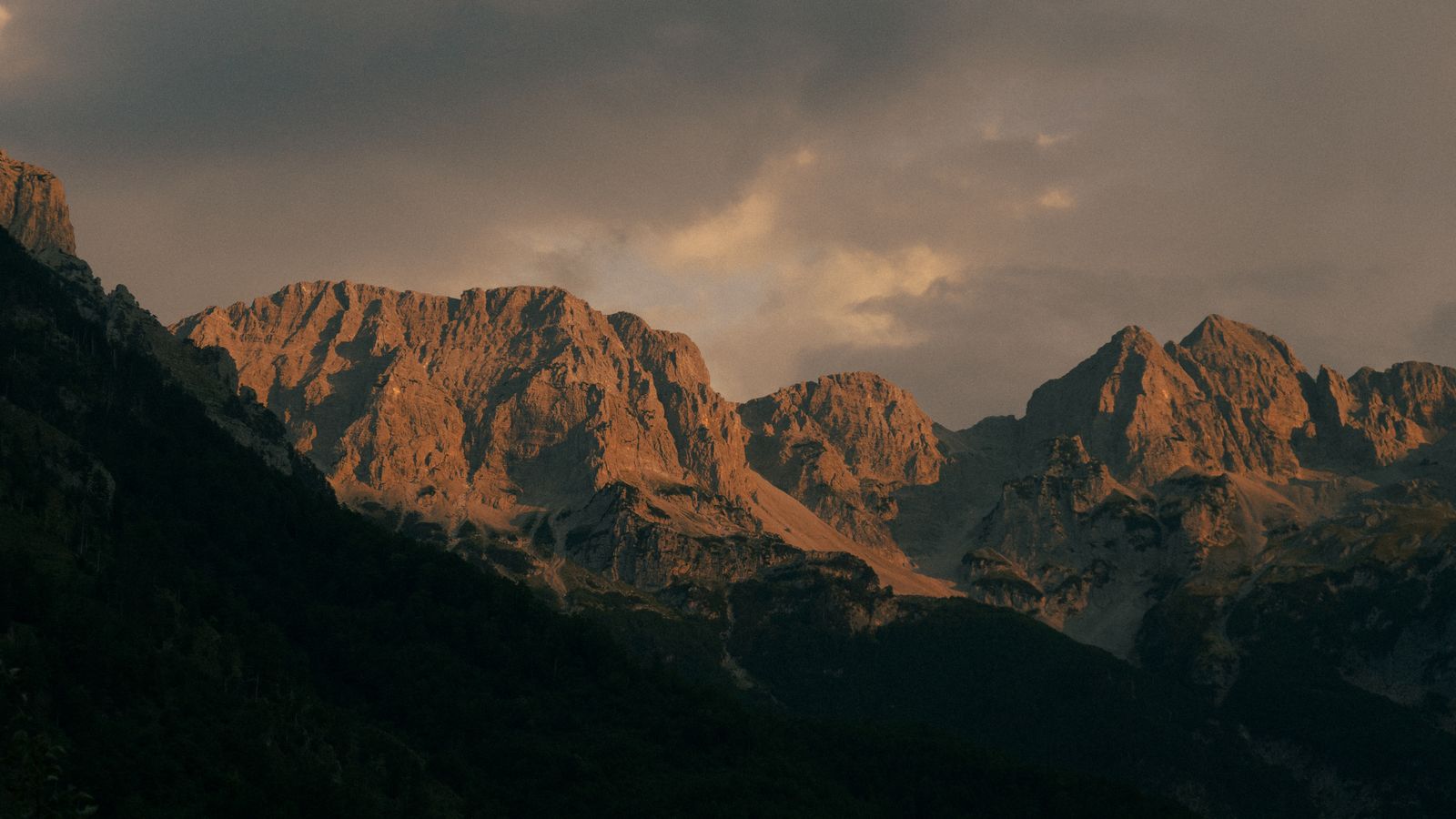
The high mountains are a different country in winter. In February 2026 Albanian authorities closed the Qafë Thore to Theth road to all vehicles after avalanches, reopening it on 19 February with drivers urged to carry chains. The Lake Koman ferry runs from mid-April to early November on Ferry Berisha's timetable, so it is not a winter link to Valbona, and the Theth to Valbona hike is a summer route. Snowy valleys look beautiful in photos; reaching them safely is a local, weather-by-weather decision, not something to lock into a winter itinerary.
Where to see snow, and ski a little
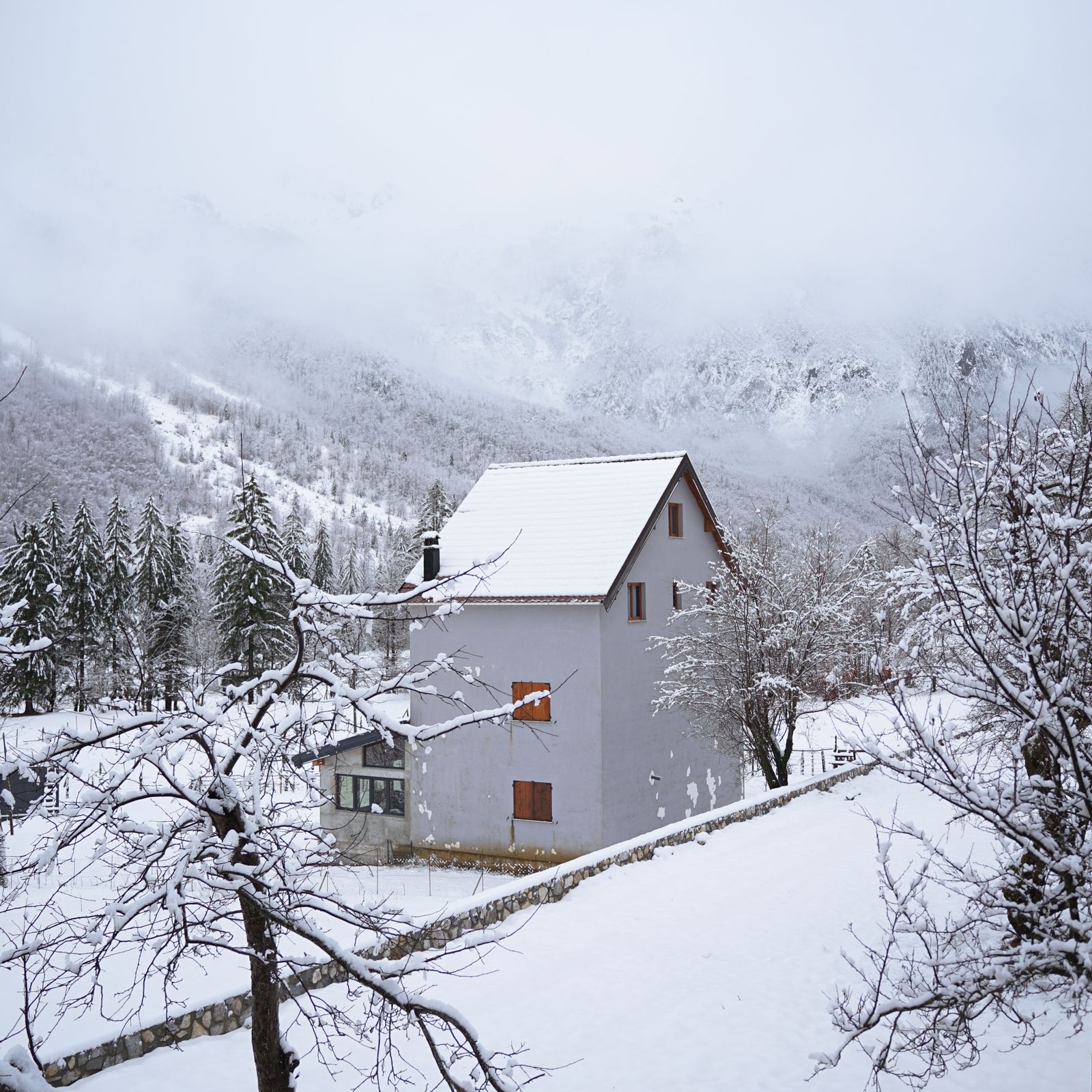
If you want snow you can actually reach, look south-east to Korçë, which sits at about 900 m and has the coldest winter averages in the table above. Nearby Dardhë has the country's best-known small ski area, Bigëll. Skiresort.com lists two lifts there (a 500 m drag lift built in 2011 and a short 59 m people mover) serving roughly 1.3 km of slopes between about 1,585 and 1,663 m. That is a beginner-to-intermediate playground for a day or two, not an Alpine resort, and it runs only when there is enough snow.
Voskopojë, also close to Korçë, is a historic stone village known for its painted churches and winter snow. Its old ski runs have no lifts today, according to Albanian local reporting, so think snowy walks, church visits and village food rather than skiing. Neither place publishes guaranteed opening dates: check conditions and road access in the days before you go, and treat any snow as a bonus rather than the plan.
Christmas and New Year in Tirana
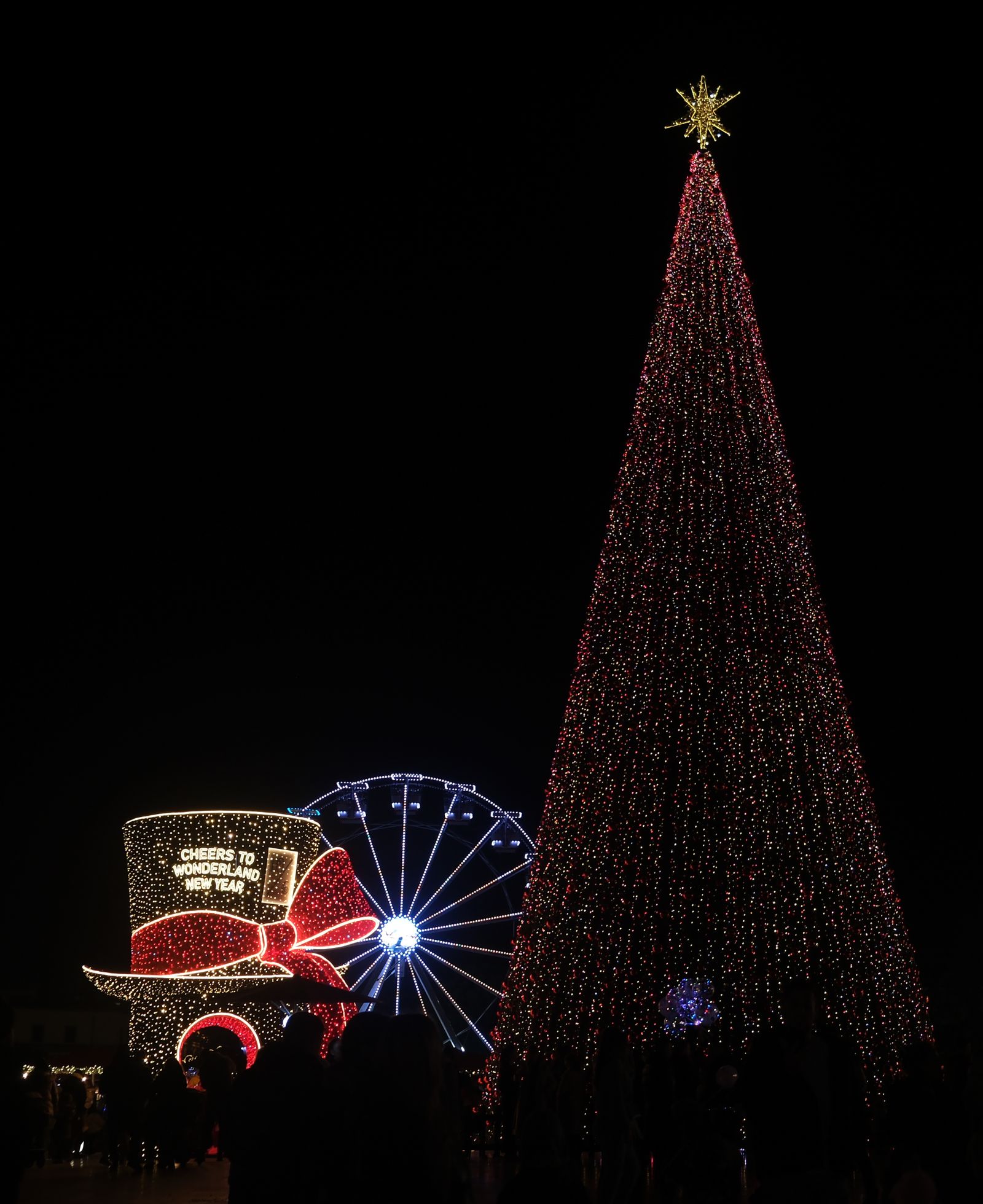
The festive season starts in late November, after Independence Day (28 November) and Liberation Day (29 November), when Tirana switches on its lights. Visit Tirana listed the Skanderbeg Square Christmas market from 6 December 2025 to 6 January 2026, with a second market at Pazari i Ri, and decorations along the main boulevard, Rinia Park and the Lake Park. Dates for this winter had not been published at the time of writing, so check Visit Tirana before you book.
On New Year's Eve the city has hosted a free open-air concert and fireworks in Skanderbeg Square in recent years. Christmas Day (25 December) and 1 and 2 January are public holidays, as is National Youth Day on 8 December; when a holiday falls on a weekend, the day off moves to the next working day. Expect banks and offices to close, the centre to be busy in the evenings, and New Year's Eve dinners to need booking.
Practical tips for a winter trip
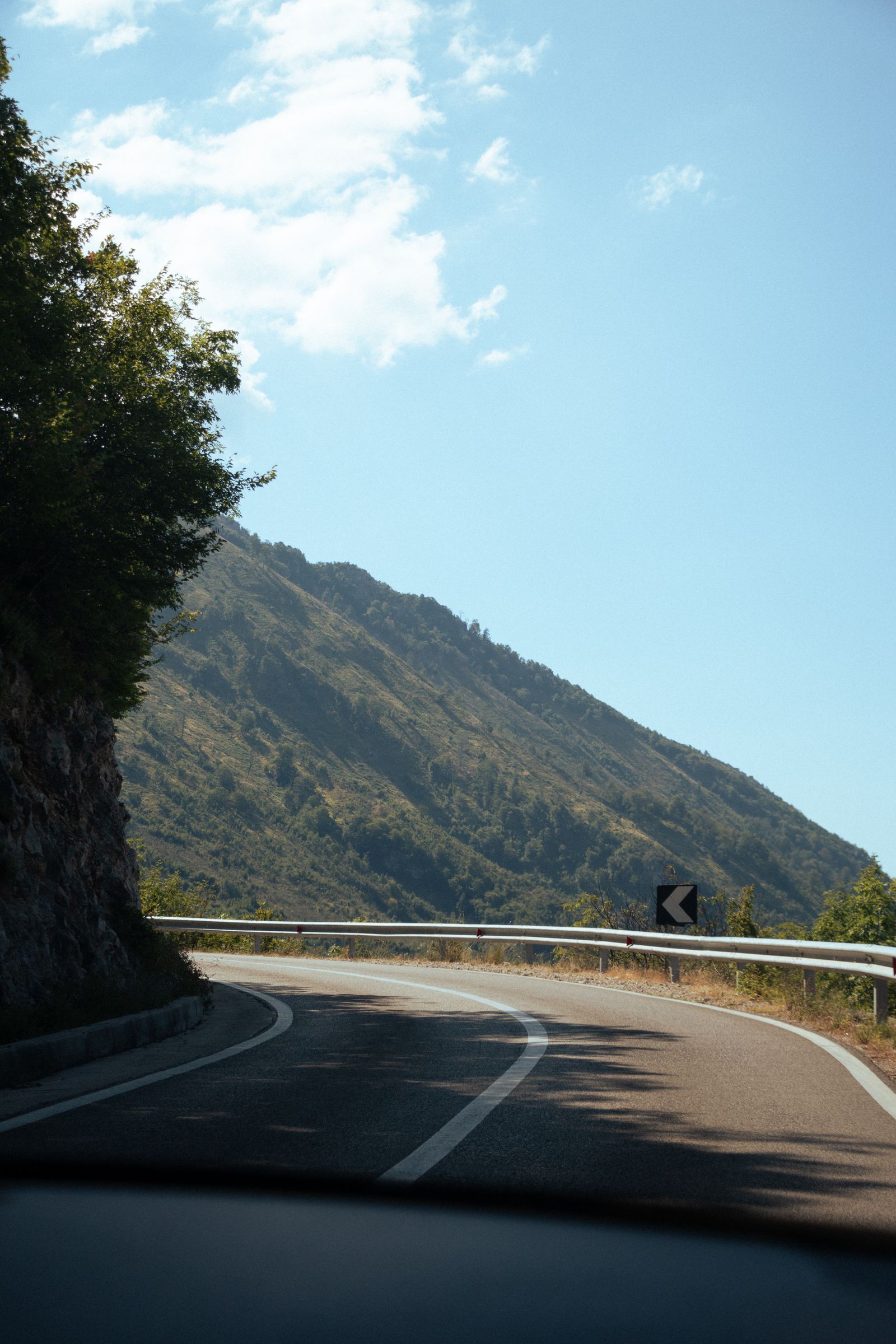
Driving is where winter honesty matters most. Lowland roads between Tirana, Durrës, Berat and Gjirokastër are everyday routes, but rain, fog and short days slow things down. Mountain roads are another matter: in January 2026 the Llogara road was passable only with chains, and in March authorities advised drivers to use the tunnel instead of the snowy pass. Carry chains if you hire a car for any upland route, follow Albanian Road Authority notices, and avoid mountain driving after dark. Our renting a car in Albania guide covers the basics.
Pack for rain first and cold second: a waterproof jacket, warm layers, and shoes with grip for wet cobbles. Korçë and any snowy trip need a proper winter coat, hat and gloves. For the full season-by-season list, use our Albania packing list by season.
Winter trip checklist
- Waterproof jacket and an umbrella for Tirana and the coast
- Warm coat, hat and gloves for Korçë, Voskopojë and Dardhë
- Shoes with good grip for wet stone streets and castle paths
- Morning sightseeing and daylight driving as days are short
- Snow chains for any upland road in a hire car
- Check public holidays and book New Year's Eve dinners early
- One flexible day for a rain front or a road closure
The winter shape that works best is a city base plus heritage: a few nights in Tirana, then Berat and Gjirokastër, perhaps with Korçë for snow or the southern coast for quiet views and Butrint. A private trip makes it easy to swap a stormy drive for a museum day.
Frequently asked questions
Is Albania worth visiting in winter?
Yes, if you want cities, heritage and food rather than beaches or alpine hiking. Tirana, Berat, Gjirokastër and Shkodër stay open, crowds are thin and the festive season brightens the capital. Expect rain and short days.
Can you swim in Albania in winter?
Can you visit Theth or hike Theth to Valbona in winter?
Not as a normal trip. The road to Theth can close for snow and avalanches (it did in February 2026), the Lake Koman ferry runs from mid-April to early November, and the Theth to Valbona crossing is a summer hike.
Is there skiing in Albania?
On a small scale. Bigëll at Dardhë, near Korçë, has two lifts and roughly 1.3 km of beginner-to-intermediate slopes, and it only runs with enough snow. Voskopojë is snowy and scenic but has no lift-served skiing.
What is Tirana like at Christmas and New Year?
Festive. The Skanderbeg Square Christmas market ran from 6 December 2025 to 6 January 2026, and the city has hosted a free New Year's Eve concert and fireworks in the square in recent years. 25 December and 1 and 2 January are public holidays.
Is it OK to drive in Albania in winter?
Lowland routes are usually manageable with extra time for rain. Mountain roads can need chains or close for snow, so check Albanian Road Authority notices, carry chains and avoid driving them after dark.
If you would rather have a winter trip shaped for you, these journeys centre on the towns that stay open all year. Their published travel windows run from spring to autumn, so a December to February date would be a private departure adapted to the season: ask us first and we will be honest about what changes.